


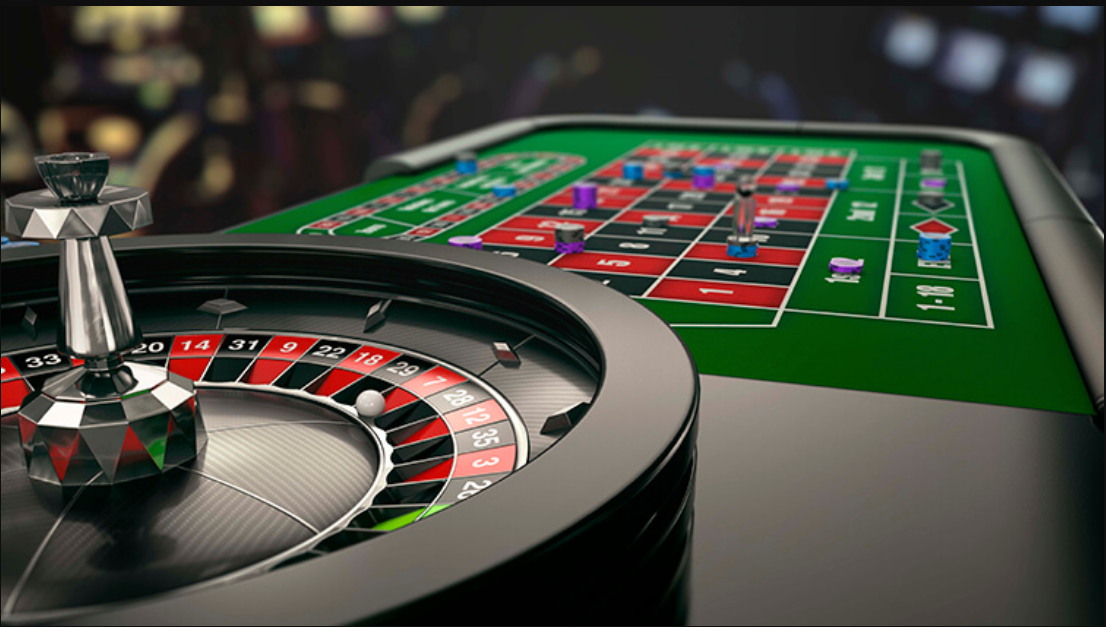
My job is to examine how we fill our free time. In the UK, the dance competition scene is a whirl of physical effort and artistry, all rhythm, sweat, and spotlights. It needs everything you have. Then there’s rest. Rest is the essential quiet that follows, where the body recovers and the mind seeks something lighter to do. It’s in this quieter space that something like the official smiling joker slot, an online game, emerges. This piece explores that contrast. It explores how the high-octane world of competitive dance and the low-effort appeal of a digital slot game can both be present in the same week for the same person. Each one fulfills a different need, fulfilling a unique purpose in the varied landscape of how we decompress.
Understanding the UK’s Dance Competition Culture
Dance in the UK has strong roots, from the formal ballroom floors of Blackpool to the impromptu street battles in London’s underpasses. Television shows like Strictly Come Dancing have only added to a long-burning fire. But this culture is much more than just spectacle. It’s a craft, a subculture built on demanding routines. Competitors pour hours into training, drilling choreography that challenges their lungs, their muscles, and their coordination to the limit. The contest itself adds psychological pressure, making each performance a public test of nerve as much as skill. For countless individuals, from kids at local clubs to adults in amateur leagues, these competitions are a central part of life. They deliver physical exercise, a tight-knit community, and a channel for artistic drive, representing a major commitment of time and effort.
The Physical and Psychological Challenges of Competitive Dance
To the untrained eye, dance looks like art. To the body, it feels like sport. A dancer needs the powerful power of a sprinter, the lasting stamina of a marathon runner, and the flexible flexibility of a gymnast. This combination pushes the human frame hard, leading to common overuse injuries: stress fractures, tendonitis, and muscle strains. The mental load is similarly heavy. Remembering complex sequences, staying in sync with a partner, and performing under the exacting gaze of judges demands intense concentration and grit. The entire culture is built on exploring limits. This makes the need for proper rest afterwards a physical imperative, not just a nice idea. You cannot keep pushing without it.
Social and Community Aspects in the UK Scene
More than just individual glory, the UK’s dance circuit is a thriving social world. Local events often have the atmosphere of a community festival, with dance schools turning out to cheer on their own. National competitions mix regional styles, from the accurate steps of Scottish Highland dance to the flowing moves of English urban crews. This community creates a essential web of support. It offers friendship, a collective goal, and a powerful sense of belonging. The relationships between partners, rival teams, coaches, and parents are a central part of the experience. This social layer sets it apart completely from solo pastimes. The physical work is woven into a fabric of interaction and shared identity, which can be as tiring as it is uplifting.
Creating a Balanced Leisure Portfolio
From where I sit, the insight for all, particularly people with intense hobbies like dance, is to actively manage your leisure time. Physical activity, social connection, creative pursuit, and mental rest are all crucial ingredients. A game like the Smiling Joker Slot might earn a small, carefully managed spot in the ‘mental rest’ category. The risk arises when any one activity overwhelms, whether it’s obsessive training that leads to burnout or endless screen time that fosters passivity. A better approach understands what each pastime provides. Dance competitions offer achievement and community. Rest enables for physical repair. Simple digital games can provide a harmless, temporary mental break before you rejoin something more significant.
The UK’s Regulatory Framework for Online Entertainment
It’s impossible to talk about online slots in the UK without mentioning the strict rules that govern them. The UK Gambling Commission regulates licensed operators with firm regulations. These include mandatory tools for setting deposit limits, taking time-outs, and self-excluding. The goal is to shield people, to make sure a casual pastime doesn’t spiral into harm. For a responsible adult, this system allows for informed play. The key is understanding that these games are designed for entertainment, that wins are down to chance, and that the average return is always less than 100%. This regulatory context presents the activity as a controlled leisure option, better suited to short, budgeted sessions than long hauls.
The Critical Role of Restoration and Healing
In any serious physical pursuit, rest isn’t doing nothing. It’s an essential element of getting better. For an athlete, downtime allows muscles to recover, energy levels restore, and the mind consolidate new movement patterns. Neglect adequate recovery, and fatigue accumulates. Progress halts. The injury risk rises steeply. All sports scientists recognize this. But giving the body rest doesn’t mean the brain desires to shut down completely. This is where a transition takes place. While the body repairs, the mind often looks for a light activity, a low-stakes engagement that engages without needing physical exertion. This opens a legitimate window for sedentary amusement, something to fill the mental space while the body restores.
Juxtaposing Bodily Effort and Digital Leisure
The difference between a dance competition and clicking a spin button could scarcely be larger, and that is precisely the point. One endeavor is the pinnacle of physical control, where years of training allow you to control your body with precision toward a clear objective. The second is an exercise in surrendering control, entrusting the outcome to a random number generator. One builds community, fitness, and tangible skill. The alternative provides private, fleeting escapism. But they are not adversaries. They inhabit opposite ends of the same leisure spectrum. The rigorous, goal-driven nature of dance produces the specific need for the passive, chance-driven slot game. In a balanced life, they can work as complementary releases, each fulfilling a separate human itch.
In what context Does Internet Entertainment Find Its Place?
So we come to the modern reality of relaxation. After the demanding physical and social excitement of a event, a dancer, or anyone else who’s worked hard, has to wind down. Today, that typically involves a screen. Streaming a series, scrolling through social feeds, or playing a casual video game are typical choices. Online slot games, including the Smiling Joker Slot, occupy a particular corner of this world. They ask for almost no physical input, just a click or a tap. They provide a type of engagement that’s visually active but requires minimal effort from your thoughts. The interaction is straightforward. The results are down to luck. There’s no complex plot to follow or high skill ceiling to reach. It’s digital decompression designed for the recovery window, a way to switch off after you’ve pushed your limits.
The Attraction of Low-Effort Engagement
Why choose a slot game when you’re tired? The psychology is insightful. After the regulated, high-pressure environment of a competition where every step is scored, there’s a strong pull towards an experience with no pressure at all. A game of pure chance offers that. You can’t ‘fail’ at spinning a slot reel in any significant way; the result is random. That randomness can feel liberating. The bright graphics, simple animations, and the occasional chime of a small win give just enough sensory input to occupy a weary mind. They don’t ask for strategy or emotional investment. It functions as a mental reset, a way to step away from the structured world of practice and performance for a few minutes.
Analysing the Smiling Joker Slot Journey
Looking specifically at the Smiling Joker Slot, its design seems built for this kind of calm engagement. The main character, a classic jester, is recognizable and playful, suggesting easygoing luck rather than serious stakes. How you play is straightforward: select a stake, spin the reels, and discover if the symbols line up. This simplicity is the main attraction for someone who’s weary. There are no complex rules to learn or long-term strategies to create. The experience is quick and independent. A handful of spins can occupy a ten-minute break, matching well with the chopped-up nature of modern downtime. It functions as a digital distraction, a brief escape that asks for nothing more than a desire to be entertained in a passive way.
Aesthetic and Auditory Design for Unwinding
The idea of a ‘soothing’ slot machine might appear odd, but many online games like Smiling Joker use milder design cues to attract a wider audience. The colours are often primary but not excessively glaring. The soundtrack tends to be a repeating, melodic tune instead of a frenzied beat, and winning sounds are designed to be pleasing without being shocking. This creates a moderately stimulating sensory environment that isn’t overwhelming. For someone in a post-competition slump, this level of stimulation can be just right. It’s absorbing enough to stop the mind from circling back to the day’s stresses or tomorrow’s training schedule, but not so engaging that it hinders the body’s crucial recovery work.
FAQ
Does the Smiling Joker Slot involve gambling?
Yes. The Smiling Joker Slot is a chance-based game where you stake money for a chance at a cash prize. Under UK law, this is gambling, regulated by the UK Gambling Commission. It should only be played sensibly. Use the tools that licensed sites offer, like deposit limits, and go in with the clear understanding that over time, you are more likely to forfeit money than win.
Is playing slots like this relaxing after exercise?
For some people, the easygoing, chance-based play can distract from the focus of physical training. But it isn’t a general relaxation method, and losing money can clearly create stress. More conventional recovery steps matter far more for your body after a dance competition: proper cool-downs, hydration, nutrition, and good sleep are essential.
How do online slots compare to physical activities in popularity in the UK?
Many people in the UK participate in physical activities like social dance. Online gambling has a smaller, separate group. Comparing them directly is difficult because they meet such different needs. National statistics show a large segment of the population exercises regularly, while a much smaller percentage gambles online each week. This emphasises their distinct positions in how people spend their free time.
Does the Smiling Joker Slot have age limits?
Yes, absolutely, without exception. UK law requires you to be at least 18 years old to gamble online, and that includes playing the Smiling Joker Slot. Licensed operators must carry out rigorous age verification checks to block underage play. This rule is a core part of the UK’s consumer protection approach.
How should I respond if gambling ceases to be restful?
If it starts causing concern, obsession, or financial trouble, it’s not rest anymore. The first step is to use the responsible gambling tools on the site itself, like immediately decreasing your deposit limit or activating a self-exclusion period. The UK also has free, confidential support through organisations like GamCare and the National Gambling Helpline. Real rest should leave you restored, not create new problems.